

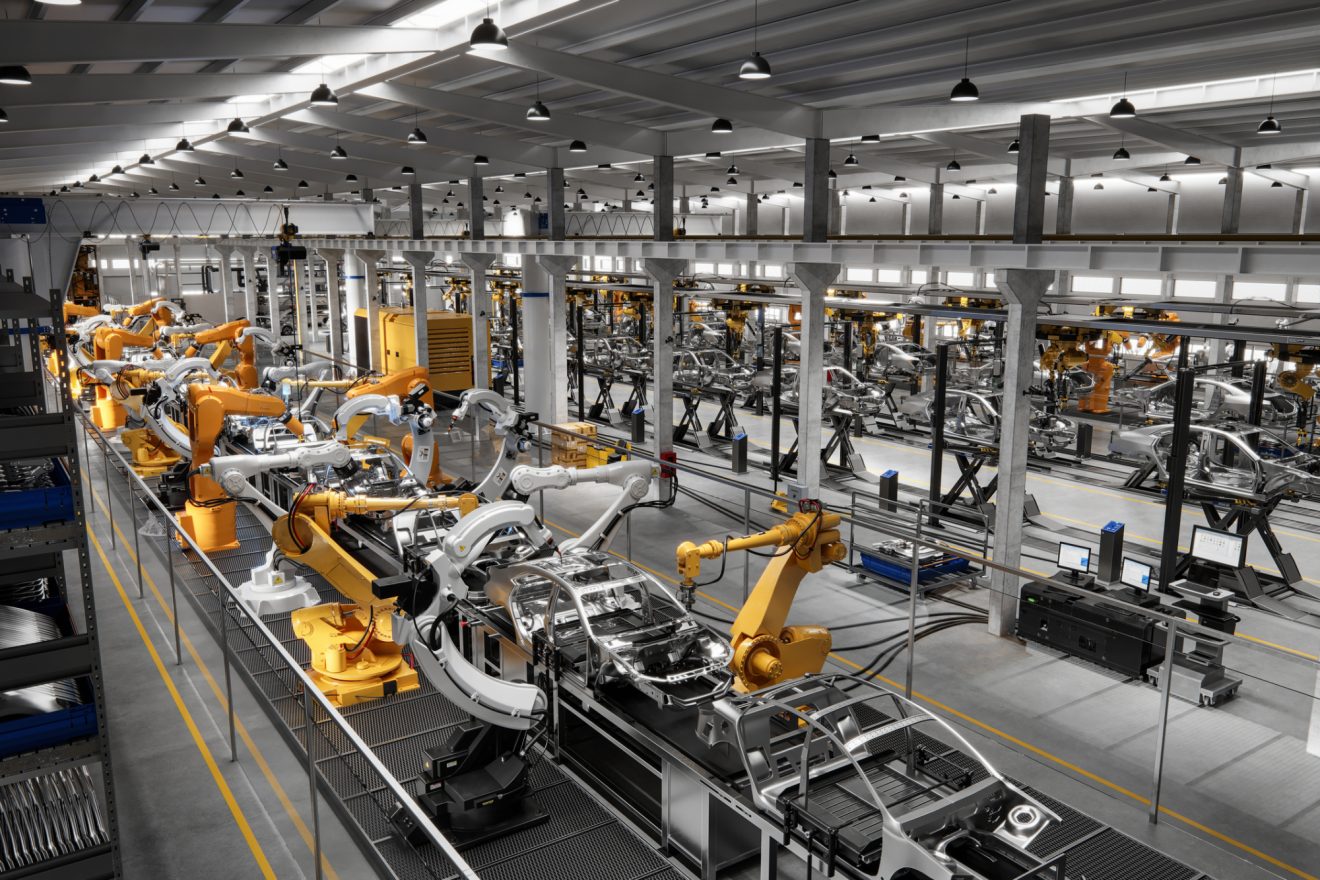
The term industry refers to a structured sector of the economy focused on producing goods or providing services, often categorized by shared technologies, processes, or markets. Industries form the backbone of economic development, influencing employment, technological innovation, and trade at local, national, and global levels. Understanding industry requires exploring its classifications, operational dynamics, market behavior, technological influences, and regulatory frameworks. This article offers a comprehensive, evidence-backed examination of the industrial sector, providing insights for business professionals, investors, and policymakers.
Defining Industry
An industry is a group of businesses or organizations that produce similar goods or provide comparable services. These enterprises share production techniques, supply chains, labor skills, and market channels. Industries are classified into sectors, each contributing uniquely to the economy. They are essential drivers of economic activity, enabling societies to produce goods, generate income, and create employment opportunities.
Key Characteristics of an Industry
- Specialization: Industries rely on specialized knowledge, techniques, and processes to deliver products or services efficiently.
- Economic Contribution: Industries influence GDP, trade balances, and employment levels.
- Innovation and Technology Integration: Industries adopt technological advancements to improve productivity, quality, and competitiveness.
- Market Dynamics: Industries are affected by consumer demand, competition, regulations, and global economic trends.
Types of Industries
Industries are broadly classified based on their functions, resources, and outputs. Understanding these classifications helps in analyzing economic trends and business strategies.
Primary Industry
Primary industries involve the extraction and production of raw materials directly from nature. Examples include agriculture, mining, forestry, and fishing. Characteristics include:
- Heavy reliance on natural resources
- Vulnerability to environmental and climatic conditions
- Basis for secondary and tertiary industries
Secondary Industry
Secondary industries focus on transforming raw materials into finished goods through manufacturing and construction. This sector encompasses:
- Industrial manufacturing (electronics, automobiles, textiles)
- Construction and infrastructure development
- Energy production facilities
Secondary industries add value to raw materials, generating employment and contributing significantly to GDP.
Tertiary Industry
Tertiary industries provide services rather than tangible products. They encompass:
- Financial services (banking, insurance)
- Healthcare and education
- Retail, hospitality, and logistics
The tertiary sector has grown exponentially with globalization, urbanization, and digitalization, representing a significant portion of developed economies’ GDP.
Quaternary and Quinary Industries
Quaternary industries focus on knowledge-based activities such as research, information technology, and consultancy, while quinary industries involve high-level decision-making, policy formulation, and advanced scientific research.
- Quaternary: Data analysis, software development, R&D centers
- Quinary: Government leadership, top-level management, scientific innovation
Industrial Structure and Organization
Industries are organized to optimize production, reduce costs, and meet market demands efficiently. Understanding these structures is essential for analyzing operational performance.
Mass Production vs. Customized Production
- Mass Production: Involves producing large quantities of standardized products, common in automotive and consumer electronics sectors. Advantages include economies of scale, cost efficiency, and consistent quality.
- Customized Production: Focuses on producing specialized or tailored products to meet specific customer needs. It is common in luxury goods, specialized machinery, and B2B services, allowing differentiation and premium pricing.
Supply Chain and Value Chain
Effective industries manage complex supply chains that link raw material suppliers, manufacturers, distributors, and retailers. Value chain analysis helps identify processes that add maximum value to products while minimizing waste and costs.
Industrial Clusters
Industries often thrive in geographic clusters where related businesses, suppliers, and institutions co-locate. Examples include Silicon Valley for technology, Detroit for automotive, and the Ruhr Valley for heavy industry. Clusters promote innovation, knowledge sharing, and economic synergy.
Technological Impact on Industries
Technological advancements have transformed industrial operations, productivity, and competitiveness.
Automation and Robotics
Automation streamlines manufacturing processes, reduces labor costs, and enhances precision. Robotics and AI-driven machinery are integral to modern industries like automotive, electronics, and pharmaceuticals.
Digital Transformation
Digital tools such as cloud computing, big data analytics, and IoT (Internet of Things) improve operational efficiency, enable real-time monitoring, and enhance decision-making in manufacturing, logistics, and services.
Sustainable and Green Technologies
Industries are increasingly adopting sustainable technologies to reduce environmental impact, comply with regulations, and appeal to environmentally conscious consumers. Practices include energy-efficient processes, renewable energy adoption, and waste recycling.
Regulatory Framework and Compliance
Industries operate under a range of regulations designed to protect employees, consumers, and the environment.
Health and Safety Regulations
Occupational safety standards ensure worker protection in industrial settings, covering equipment safety, hazardous material handling, and workplace ergonomics.
Environmental Compliance
Industries must comply with environmental laws concerning emissions, effluents, waste management, and resource utilization. Non-compliance can lead to legal penalties, reputational damage, and operational shutdowns.
Financial and Trade Regulations
Industries are subject to taxation, trade restrictions, import-export laws, and financial reporting standards. Proper compliance ensures sustainability and access to global markets.
Economic Significance of Industries
Industries play a pivotal role in shaping economies at multiple levels.
- Employment Generation: Industries provide a wide range of employment opportunities across skill levels, from labor-intensive positions to specialized professional roles.
- GDP Contribution: Industrial output significantly contributes to national income and economic growth.
- Technological Advancement: Industries drive innovation, research, and development, leading to productivity improvements and competitive advantage.
- Global Trade: Industries facilitate exports and imports, promoting economic integration and international competitiveness.
- Infrastructure Development: Industrial growth stimulates transportation, energy, and communication infrastructure.
Challenges Facing Modern Industries
Despite their importance, industries face multiple challenges that require strategic adaptation.
- Global Competition: Increasing international competition forces industries to innovate, reduce costs, and improve quality.
- Supply Chain Disruptions: Political instability, natural disasters, or pandemics can disrupt supply chains, affecting production and distribution.
- Technological Disruption: Rapid technological changes can render traditional production methods obsolete, necessitating continuous adaptation.
- Environmental Concerns: Industries face increasing pressure to reduce emissions, manage waste, and operate sustainably.
- Workforce Skills Gap: Industries require skilled labor to operate advanced machinery and digital systems, creating a need for ongoing workforce training.
Future Trends in Industry
The industrial landscape is evolving rapidly due to technological, environmental, and social shifts.
Industry 4.0
The fourth industrial revolution integrates automation, data exchange, AI, and IoT into manufacturing and production, creating smart factories and highly efficient operations.
Sustainable Industrial Practices
Sustainability has become central to industrial strategy. Companies are focusing on reducing carbon footprints, using renewable energy, and implementing circular economy practices.
Digital and Remote Operations
Industries are adopting digital tools for remote monitoring, predictive maintenance, and virtual collaboration, enhancing operational flexibility and efficiency.
Global-Local Balance
Industries are balancing global integration with local adaptation, tailoring products and processes to regional market demands, regulatory frameworks, and cultural nuances.
Key Insights for Industrial Stakeholders
Understanding industries requires analyzing their operational, technological, and market dynamics. Important considerations include:
- Adopting technologies that enhance productivity, quality, and competitiveness.
- Ensuring compliance with legal, environmental, and safety regulations to mitigate risk.
- Investing in workforce development and knowledge management to maintain operational efficiency.
- Diversifying products, services, and markets to minimize risk and capture growth opportunities.
- Monitoring global economic trends, market competition, and technological advancements to remain agile.
Frequently Asked Questions About Industry
What distinguishes an industry from a business?
An industry is a sector encompassing multiple businesses producing similar goods or services, whereas a business is a single entity operating within that industry.
Why is technological innovation crucial for industries?
Innovation increases efficiency, reduces costs, enhances product quality, and provides competitive advantages in both local and global markets.
How do industrial clusters benefit businesses?
Clusters promote knowledge sharing, supply chain efficiency, skilled workforce access, and opportunities for collaboration and innovation.
What role do industries play in economic development?
Industries generate employment, contribute to GDP, drive innovation, facilitate trade, and stimulate infrastructure growth.
How are industries addressing sustainability?
Industries implement energy-efficient processes, waste recycling, renewable energy usage, and circular economy practices to reduce environmental impact.
What challenges do industries face with global supply chains?
Global supply chains are vulnerable to disruptions from geopolitical events, natural disasters, regulatory changes, and pandemics, affecting production continuity.
How is Industry 4.0 transforming production?
Industry 4.0 integrates automation, AI, IoT, and real-time data analytics to create smart factories with higher efficiency, reduced costs, and flexible production capabilities.
Industries represent the lifeblood of economies, shaping employment, innovation, and global trade. Understanding their structure, operations, technological integration, and regulatory environment equips stakeholders to navigate complexities, capitalize on opportunities, and drive sustainable growth. This comprehensive examination highlights the strategic and operational significance of industries in contemporary economic landscapes.
