

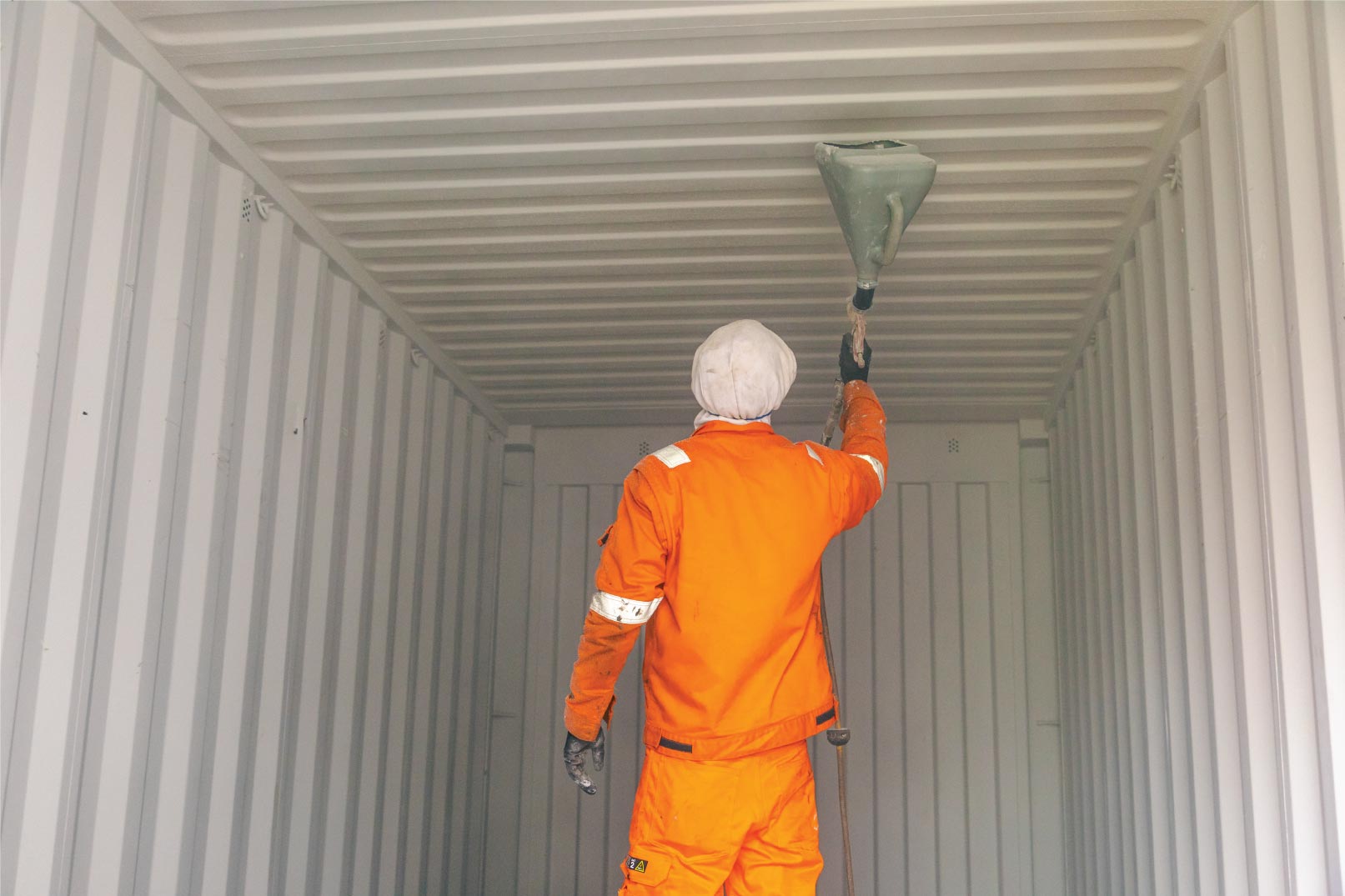
Shipping containers are designed to be tough and durable, able to withstand the demands of global transportation and storage. However, like any structure exposed to the elements, containers can suffer wear and tear over time, especially on the roof. The roof is one of the most vulnerable areas, prone to leaks from rain, snow, and UV damage. This is where shipping container roof sealant comes into play.
In this article, we’ll discuss the importance of shipping container roof sealant, how it works, and why it’s essential for maintaining the durability and longevity of your shipping container. We’ll also look at the benefits of using roof sealant, how to apply it, and how it can protect your container from weather-related damage.
Why Shipping Container Roof Sealant is Essential
Shipping containers are designed to endure harsh conditions, but the roof, being directly exposed to the elements, is particularly vulnerable to wear and tear. Over time, the container roof may develop leaks, leading to water damage to the container’s contents. Shipping container roof sealant provides an effective solution to prevent such issues, ensuring that the container remains watertight and durable. Here are some reasons why roof sealant is so crucial:
- Preventing Water Leaks
The primary function of shipping container roof sealant is to create a weatherproof barrier that prevents water from entering the container. Rain, snow, or even high humidity can seep into the roof, leading to rust, mold, or damage to stored goods. Sealant acts as a protective layer, sealing gaps, joints, and seams in the roof where leaks can form.
- Stops water infiltration: Protects the contents inside the container from water damage.
- Protects structural integrity: Prevents rusting and degradation of the container structure.
- Extending the Life of the Container
By preventing water damage and rust, roof sealant helps extend the lifespan of your shipping container. Containers exposed to constant moisture without proper sealing are more likely to experience corrosion, leading to weakened structures and costly repairs. Applying a high-quality roof sealant protects your container from these issues, ultimately saving you money in the long run.
- Prevents corrosion: Stops rust and other forms of structural damage.
- Increases container lifespan: Reduces the frequency of repairs and replacement.
- Protection from UV Damage
In addition to water, shipping containers are exposed to UV rays, which can cause the metal to degrade and weaken over time. The sun’s UV rays can dry out the protective coatings on the container and cause rust and deterioration. Roof sealants often contain UV inhibitors that prevent this type of damage, keeping the container in good condition for longer.
- UV protection: Safeguards the roof and prevents fading and deterioration from sun exposure.
- Enhanced durability: Keeps the container’s protective layers intact for extended periods.
- Improving Insulation and Energy Efficiency
Some types of shipping container roof sealants are designed with insulation properties, helping to regulate the temperature inside the container. This is particularly useful if the container is being used for storage purposes, as it can protect sensitive goods from extreme temperatures. In some cases, sealants can help reduce the impact of external weather conditions on the internal environment.
- Temperature regulation: Helps maintain a stable internal climate for temperature-sensitive items.
- Energy efficiency: Reduces the need for additional climate control solutions.
Types of Shipping Container Roof Sealant
There are several types of shipping container roof sealants, each designed to meet different needs. Below are some of the most common types of sealant used for container roofs:
- Acrylic Sealants
Acrylic-based sealants are popular for shipping container roofs due to their versatility and ease of use. They are highly resistant to weathering, UV radiation, and water, providing a durable protective layer. Acrylic sealants are often used for general sealing purposes and are a cost-effective option for preventing leaks and maintaining the roof’s integrity.
- Benefits: Cost-effective, UV resistant, and weatherproof.
- Ideal for: General use on metal container roofs.
- Polyurethane Sealants
Polyurethane sealants are a stronger, more durable option compared to acrylics. They offer superior adhesion and flexibility, making them ideal for sealing joints and seams that may experience movement. Polyurethane sealants are also resistant to chemicals, making them suitable for containers used to store hazardous materials or goods.
- Benefits: High durability, chemical-resistant, and flexible.
- Ideal for: Sealing joints, seams, and containers storing hazardous goods.
- Butyl Rubber Sealants
Butyl rubber sealants are known for their excellent waterproofing and adhesion properties. They provide a highly effective barrier against water and moisture, making them a popular choice for shipping container roof sealant. Butyl rubber is also highly resistant to UV rays, which helps protect the roof from sun damage.
- Benefits: Excellent waterproofing, UV resistant, and long-lasting.
- Ideal for: Areas prone to heavy rainfall or containers exposed to harsh weather conditions.
- Silicone Sealants
Silicone-based sealants are another great option for shipping container roofs. Silicone sealants are highly flexible, allowing them to accommodate the natural expansion and contraction of the container. They also provide excellent waterproofing and UV protection, making them ideal for areas with extreme weather conditions.
- Benefits: Flexible, waterproof, and UV resistant.
- Ideal for: Containers exposed to extreme temperatures or frequent weather changes.
How to Apply Shipping Container Roof Sealant
Applying shipping container roof sealant can be a straightforward process, but it’s important to follow the right steps to ensure a proper seal. Here’s a simple guide on how to apply roof sealant to your shipping container:
- Clean the Roof Surface
Before applying any sealant, ensure that the roof of the container is clean and free of debris, dirt, rust, or oil. Use a power washer or a hose to clean the surface, and if necessary, scrub the roof with a brush to remove any remaining dirt. A clean surface will help the sealant adhere properly and provide a more effective barrier.
- Inspect for Damage
Once the roof is clean, inspect it for any signs of damage, such as rust spots, dents, or cracks. These areas may need to be treated before applying the sealant. Use a rust remover and apply a coat of primer to areas with rust or significant wear to ensure proper adhesion of the sealant.
- Apply the Sealant
Follow the manufacturer’s instructions when applying the shipping container roof sealant. Typically, you can apply the sealant using a brush, roller, or spray gun. Make sure to apply an even layer, paying extra attention to seams, joints, and areas around vents or other fixtures. These are the most common areas where leaks occur.
- Allow the Sealant to Dry
After applying the sealant, allow it to dry completely before subjecting the container to any weather conditions. Drying times vary depending on the type of sealant used, so refer to the manufacturer’s instructions for recommended drying times.
- Perform Regular Inspections
Once the sealant is applied, it’s important to inspect the roof regularly to ensure that the seal remains intact. Over time, weathering and wear may cause the sealant to degrade. If necessary, reapply the sealant or touch up areas where the protection has worn off.
Benefits of Using Shipping Container Roof Sealant
Using shipping container roof sealant provides numerous advantages, including:
- Enhanced protection from leaks and water damage.
- Improved longevity of your container by preventing rust and corrosion.
- Increased safety by reducing the risk of mold and mildew formation inside the container.
- Cost-effectiveness by preventing costly repairs and replacements due to weather damage.
Ensure the Longevity of Your Container with Roof Sealant
Applying shipping container roof sealant is an effective way to protect your container from the elements, extend its lifespan, and keep your stored items safe and dry. Whether you use the container for shipping, storage, or as a mobile office, the right sealant will provide the necessary protection against water, UV rays, and temperature fluctuations.
Start applying roof sealant to your containers today and ensure they remain durable, weatherproof, and secure for years to come. Explore a variety of options to find the best sealant for your specific needs.
