

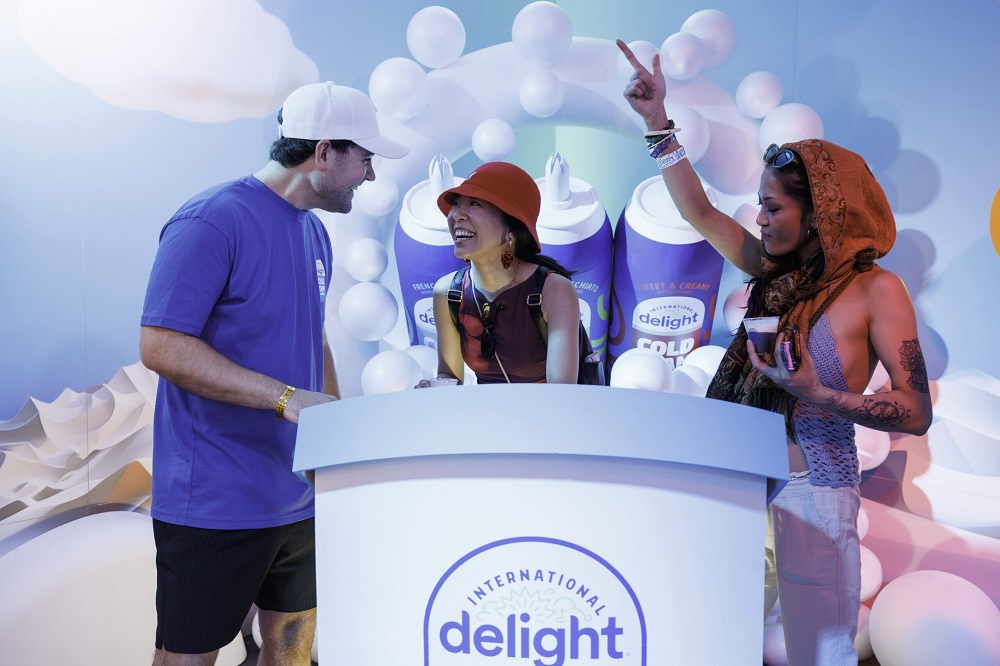
Modern consumers encounter thousands of digital ads every single day. Between automated email sequences, sponsored social posts, and programmatic banner ads, audiences have developed strong defenses against passive messaging. Click-through rates decline as ad blockers and banner blindness increase. In response, forward-thinking brands are shifting their investments from passive impressions to active participation through experiential marketing.
Experiential marketing, often referred to as engagement or event marketing, immerses consumers directly in a brand’s world through memorable, interactive experiences. Rather than simply broadcasting features or value propositions, this approach invites individuals to touch, feel, test, and co-create with the product. By transforming passive observers into active participants, experiential campaigns forge profound, enduring brand connections that traditional advertising cannot match.
The Psychology of Shared Experiences and Emotional Memory
Human memory prioritizes emotional resonance and multi-sensory stimulation over abstract data. When a consumer views a standard print ad or video clip, cognitive engagement remains relatively low. In contrast, physical or interactive environments activate multiple senses simultaneously, triggering stronger neural pathways.
The psychological mechanics behind this connection rely on three primary drivers:
-
Sensory Encoding: Tactile interactions, environmental scents, curated sounds, and spatial designs anchor a brand in long-term memory far more effectively than sight-only digital interfaces.
-
The Endowment Effect: When people interact physically with a product or co-create an outcome within a branded space, they feel an instinctive sense of psychological ownership, raising their valuation of the product.
-
Emotional Association: Positive feelings generated during a lively event, such as joy, curiosity, or accomplishment, become unconsciously linked with the sponsoring brand name.
When brands create positive, immersive environments, they bypass consumer skepticism. The experience delivers standalone entertainment or practical value first, establishing goodwill before any commercial transaction takes place.
Moving from Passive Consumption to Active Co-Creation
Traditional marketing operates as a one-way monologue: the brand speaks, and the consumer listens. Experiential marketing transforms this dynamic into a collaborative dialogue. Participation shifts the consumer identity from a target audience member to an active co-creator of the story.
Consider how different engagement levels alter the consumer relationship:
-
Pop-Up Showrooms: Temporary physical locations allow customers to interact with direct-to-consumer products without sales pressure, turning product discovery into a personal journey.
-
Skill-Building Workshops: Brands that teach useful skills, such as culinary masterclasses hosted by kitchen appliance makers or trail runs organized by outdoor apparel brands, anchor the product within the customer’s personal growth.
-
Gamified Installations: Interactive challenges that reward participants with customized samples or unique physical takeaways turn routine product trials into memorable accomplishments.
Through direct involvement, consumers generate their own distinct narratives around the product, anchoring the brand within their personal routines and identity.
Building Organic Advocacy and User-Generated Reach
A well-crafted brand activation extends far beyond the physical boundaries of the event space. In a connected world, live experiences serve as powerful engines for organic digital distribution.
Attendees do not share standard billboards on their personal social channels, but they regularly post photos, videos, and commentary documenting immersive experiences. This behavior provides clear commercial advantages:
-
Unforced Content Generation: Attendees willingly capture and publish high-quality visual content that showcases the product in dynamic, real-world settings.
-
High-Trust Peer Endorsement: Social shares from friends and family carry significantly higher credibility and conversion influence than paid influencer endorsements or corporate ads.
-
Algorithmic Amplification: High volumes of localized, real-time posts around an activation create organic engagement spikes across digital platforms, driving discovery among lookalike audiences.
By designing photogenic, participatory spaces, brands create an ecosystem where real-world activations continuously feed digital marketing channels with authentic social proof.
Driving Sustainable Customer Lifetime Value and Loyalty
While customer acquisition costs continue to climb across digital channels, experiential marketing delivers outsized returns by strengthening post-purchase retention and lifetime value.
When a brand invests in meaningful face-to-face or immersive interactions, it signals confidence, authenticity, and a customer-first philosophy. This authentic rapport yields measurable loyalty benefits:
-
Shortened Consideration Cycles: Direct hands-on testing eliminates product uncertainty, helping prospects move rapidly from interest to final purchase decision.
-
Stronger Brand Affinity: Customers who share an emotional, real-life interaction with brand representatives demonstrate higher brand preference and lower price sensitivity when shopping against competitors.
-
Lower Churn Rates: Ongoing brand activations for existing customers, such as VIP community summits or exclusive preview events, foster deep community ties that keep users loyal over years.
Experiential marketing transforms the brand-customer relationship from a series of transactional exchanges into an ongoing, mutually rewarding partnership.
Core Best Practices for High-Impact Experiential Campaigns
Designing a successful experiential campaign requires careful alignment between brand values, creative concepts, and measurable business goals. Fluffy stunts without strategic substance fail to convert interest into long-term loyalty.
To maximize return on investment, marketing teams should adhere to the following principles:
-
Define Clear Business Objectives: Determine whether the activation aims to build initial awareness, generate qualified leads, collect direct consumer feedback, or drive immediate retail sales.
-
Prioritize Frictionless Onboarding: Keep entry processes, registration forms, and digital handoffs quick and effortless so visitors focus entirely on the experience itself.
-
Integrate Digital Follow-Ups: Collect contact information organically through digital photo booths, raffle entries, or customized product recommendations, and follow up promptly with relevant, personalized content.
-
Train Knowledgeable Brand Ambassadors: Ensure on-site staff embody the brand ethos and possess deep product expertise, as interpersonal interactions shape the ultimate impression left on attendees.
When executed with strategic precision, experiential initiatives deliver memorable touchpoints that establish lasting consumer preference in an increasingly crowded marketplace.
Frequently Asked Questions
How do brands measure the return on investment of experiential marketing campaigns?
Marketers track a mix of qualitative and quantitative metrics, including on-site foot traffic, average dwell time, direct sales or lead generation at the event, social media reach via event-specific tags, and post-event customer surveys assessing brand recall and sentiment.
Can business-to-business brands benefit from experiential marketing?
Yes. Business-to-business organizations frequently use immersive product demonstrations, executive roundtables, hands-on software labs, and interactive trade show environments to illustrate complex capabilities and build direct relationships with enterprise decision-makers.
How does augmented reality enhance physical brand experiences?
Augmented reality overlays contextual digital data, interactive animations, and custom 3D visualizations onto the physical environment through mobile devices or headsets, allowing attendees to explore product internals, customize features, and engage in hybrid digital-physical games.
What is the difference between event sponsorship and experiential marketing?
Event sponsorship typically involves placing brand logos, banners, or static booths at an existing third-party event. Experiential marketing creates a fully customized, participatory environment where the consumer actively engages with the brand narrative and product directly.
How can brands scale localized experiential activations to a global audience?
Companies scale local activations by live-streaming interactive sessions, releasing synchronized virtual reality or web-based interactive twins of the physical space, and packaging the installation concept into modular formats that tour multiple international markets.
What common pitfalls should marketers avoid when designing an activation?
The most critical mistakes include over-indexing on visual spectacle without highlighting the core product, failing to collect attendee contact information for post-event nurturing, and understaffing the event with poorly trained representatives who cannot answer specific product questions.
How far in advance should an organization begin planning a large experiential campaign?
Major experiential activations typically require four to eight months of advance planning to secure prime venues, obtain necessary permits, manufacture custom physical installations, build digital companion software, and coordinate comprehensive cross-channel promotion.
